
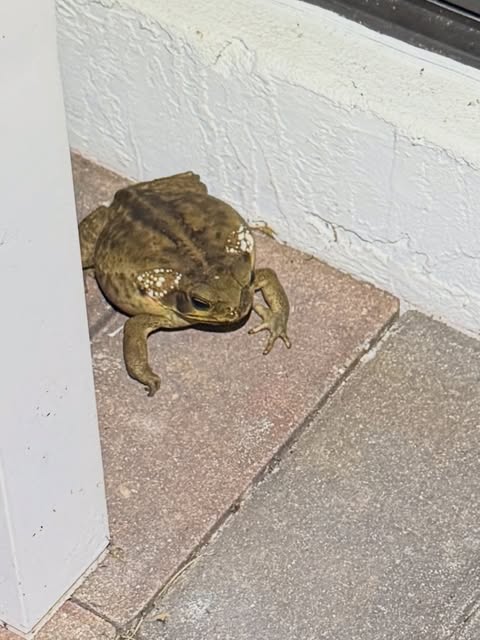
Cane toad season in Southwest Florida typically runs from March through September, peaking during the warmest and wettest months. During this time, cane toads become highly active, breeding rapidly and spreading across residential neighborhoods. For pet owners, cane toad season is a serious concern that requires awareness and preparation.
What Is Cane Toad Season?
Cane toads (Rhinella marina) are most active when temperatures are warm and rainfall is frequent. In Southwest Florida, that means the spring and summer months are prime cane toad season. During this period, cane toads emerge from their hiding spots at night to feed, mate, and lay eggs. A single female cane toad can lay up to 30,000 eggs in a single clutch, and the eggs can hatch in as little as two days.
This rapid reproduction means that a few cane toads in your yard in March can become a full infestation by July. The population grows exponentially if left unchecked, and each additional toad increases the risk to your pets.
Why Cane Toads Are Deadly to Pets
Cane toads secrete a substance called bufotoxin from large glands located behind their eyes. When a dog or cat licks, bites, or even mouths a cane toad, the bufotoxin is released and absorbed through the pet's gums and tongue. Bufotoxin affects the heart, nervous system, and gastrointestinal tract.
Symptoms of cane toad poisoning in pets include:
- Excessive drooling or foaming at the mouth
- Head shaking or pawing at the mouth
- Vomiting
- Bright red gums
- Loss of coordination or stumbling
- Seizures or convulsions
- Collapse or loss of consciousness
If you see any of these symptoms and suspect your pet has contacted a cane toad, this is a medical emergency. Time is critical.
What to Do If Your Pet Contacts a Cane Toad
If you suspect your pet has licked or bitten a cane toad, take these steps immediately:
- Rinse your pet's mouth with water. Use a hose or faucet to flush your pet's mouth with a steady stream of water. Hold their head tilted downward so the water runs out rather than down their throat. Do this for 5 to 10 minutes.
- Wipe the gums. Use a wet cloth to wipe the inside of your pet's mouth and gums to remove any remaining toxin.
- Call your veterinarian or emergency animal hospital immediately. Even if symptoms seem mild, bufotoxin poisoning can progress quickly. Do not wait.
- Get your pet to a vet as fast as possible. If it is after hours, go to the nearest emergency veterinary clinic. Treatment may include IV fluids, anti-seizure medication, and cardiac monitoring.
Do not try to induce vomiting. This will not help and can make the situation worse by causing aspiration.
How to Prevent Cane Toad Encounters
Eliminate Standing Water
Cane toads are attracted to standing water for breeding. Empty any containers, buckets, or planters that collect rainwater. Keep swimming pool areas clean and ensure proper drainage around your property.
Remove Food Sources
Cane toads eat insects, and they are drawn to areas where insects gather. Outdoor lighting attracts insects, which in turn attracts cane toads. Consider using yellow bug lights instead of white lights to reduce insect activity. Do not leave pet food bowls outside, especially overnight.
Keep Your Yard Clear
Cane toads hide in tall grass, under debris, and in dense vegetation during the day. Keep your lawn mowed, remove piles of leaves or yard waste, and trim back dense shrubs to eliminate hiding spots.
Professional Cane Toad Removal
If you are seeing cane toads on your property regularly, professional removal is the most effective solution. Rocky's conducts nighttime cane toad removal, targeting the hours when toads are most active. We remove the toads, identify the conditions attracting them, and implement prevention to keep them from returning.
Cane Toad Season Is Not the Time to Wait
During cane toad season, the population in your yard can double every few weeks. A few toads in March can become dozens by mid-summer. Each one is a potential threat to your pets. The safest approach is to address the problem early, before the population grows.
If you live in Naples, Fort Myers, Cape Coral, Bonita Springs, Estero, or the surrounding areas, contact Rocky's Cane Toad and Iguana Management for a free property inspection. We will assess your property for cane toad habitat, remove any active toads, and help you implement prevention measures. Call (239) 922-5992 any time, 24/7, for emergencies.