
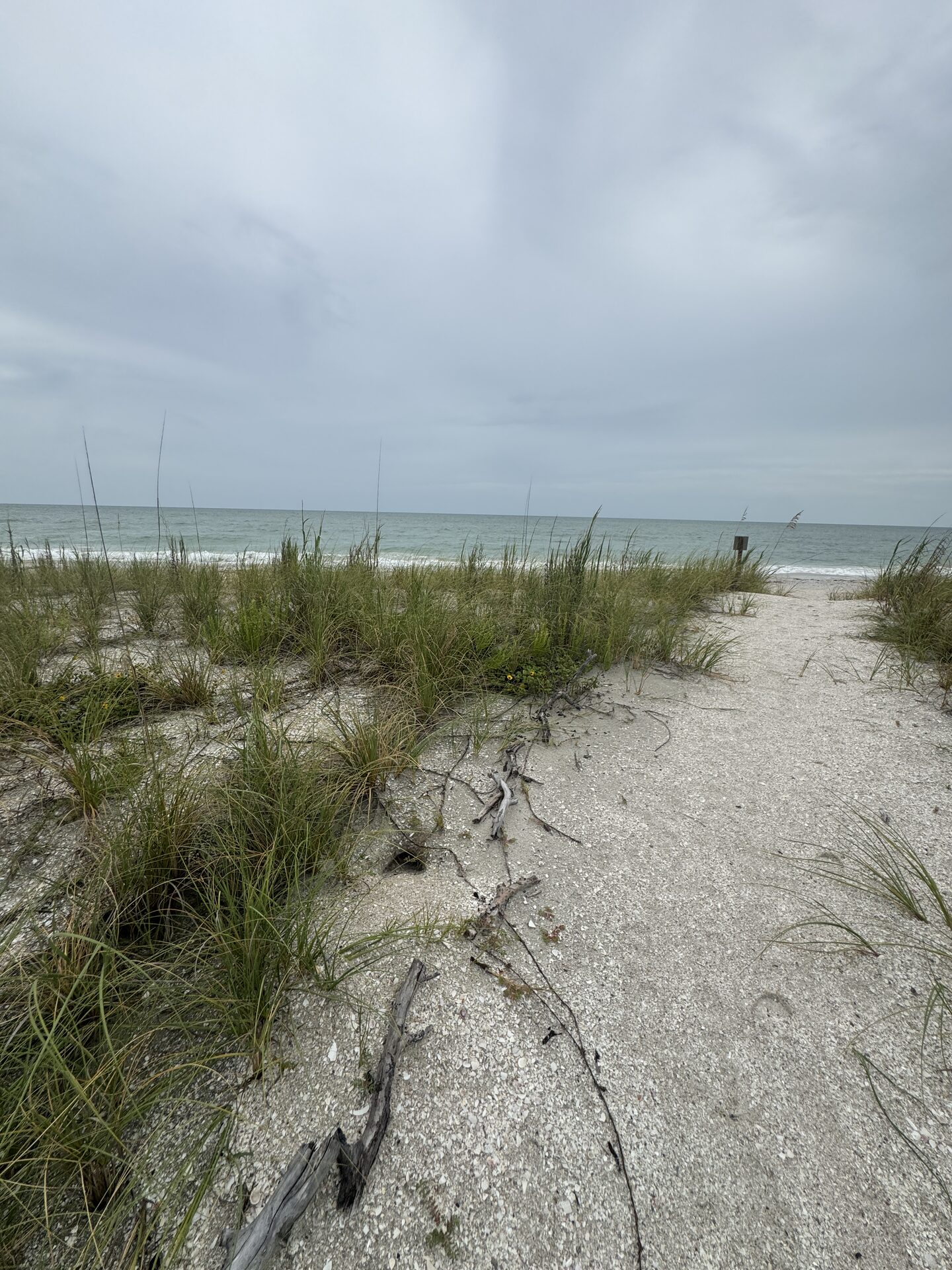
Seawalls are one of the most expensive structures to repair on waterfront property in Southwest Florida. Iguana burrows are a leading cause of seawall damage that many homeowners overlook until it is too late. Understanding why iguanas burrow under seawalls and how to prevent it can save you tens of thousands of dollars in repair costs.
Why Iguanas Burrow Under Seawalls
Iguanas are attracted to the base of seawalls for a simple reason: the soil there is ideal for burrowing. The area at the base of a seawall is usually sunny, well-drained, and soft enough to dig easily. The wall itself provides a natural backstop that gives iguanas a sense of security for their burrow.
Female iguanas seek out these spots during nesting season, which runs from December through April in Florida. The warm, sandy soil at the base of a seawall offers the perfect conditions for egg development. Once iguanas find a good burrowing spot, they return to it year after year and may dig multiple interconnected burrows.
How Iguana Burrows Damage Seawalls
The damage from iguana burrows under seawalls is serious and progressive:
- Undermining footings: Iguana burrows can extend under the base of a seawall, removing the soil that supports the wall's footing. As the burrow grows, the footing loses its foundation and the wall can shift or settle.
- Erosion behind the wall: Burrows create channels that allow water to flow through and behind the seawall. Over time, this water erodes the soil on the landward side, creating voids that weaken the wall's structural support.
- Cracking and bowing: As the soil support erodes, the seawall can crack, bow, or lean. Once cracking begins, water intrusion accelerates the damage and the wall's structural integrity degrades quickly.
- Eventual wall failure: Left unaddressed, iguana burrow damage can lead to partial or total seawall failure. The cost of replacing a failed seawall runs from $50,000 to $200,000 or more depending on the length and location.
Prevention Methods
Preventing iguanas from burrowing under your seawall requires a combination of physical barriers, landscape changes, and regular inspection. Here are the most effective methods:
- Fill existing burrows: Any existing burrows must be excavated and backfilled with compacted material. Simply filling the entrance is not enough. The entire burrow must be opened, cleared, and properly backfilled to prevent reuse.
- Install physical barriers: A physical barrier at the base of the seawall can prevent iguanas from accessing the soil. Options include wire mesh, concrete, or stone barriers that extend below the surface to block burrowing.
- Landscape with iguana-resistant plants: Remove iguana-favorite plants near the seawall and replace them with species iguanas avoid. This reduces the area's attractiveness as a habitat and nesting site.
- Regular inspection: Inspect the base of your seawall monthly during nesting season. Early detection of new burrows allows you to address them before structural damage occurs.
Why Removal Must Come Before Prevention
This is a critical point that many homeowners miss: you cannot fill burrows while iguanas are still using them. If you fill an active burrow, you trap the iguana inside. The animal will dig its way out, reopening the burrow and potentially causing more damage in the process. Trapping an iguana inside a burrow is also inhumane and could violate Florida's anti-cruelty laws.
The correct sequence is always: remove the iguanas first, then remediate the burrows, then install prevention. Skipping the removal step wastes time and money because the burrows will be reopened as long as iguanas remain on the property.
The Professional Approach
A complete seawall protection program follows three steps:
- Remove iguanas: A licensed, FWC-permitted professional traps and removes all iguanas from the property. This includes adults, juveniles, and any iguanas using existing burrows.
- Remediate burrows: Once the iguanas are gone, every burrow is excavated, cleared of eggs and debris, and backfilled with compacted material. This eliminates nesting sites and restores soil support under the seawall.
- Install prevention: Physical barriers are installed at the base of the seawall to block future burrowing. Iguana-resistant landscaping is added, and a monitoring schedule is set up to catch any new iguana activity before burrows form.
Cost of Prevention vs Cost of Seawall Repair
The financial argument for prevention is straightforward. Professional iguana removal, burrow remediation, and barrier installation cost a fraction of what seawall repair or replacement costs. Seawall repairs in Southwest Florida typically run from $50,000 to $200,000 or more, depending on the wall's length, the extent of the damage, and the difficulty of access.
By comparison, a complete iguana removal and prevention program costs far less and protects your seawall from the root cause of the damage. Waiting until the wall cracks or fails means paying for both the iguana problem and the structural repair.
If you have a seawall on your property in Southwest Florida, do not wait for damage to appear. Schedule a free inspection to assess iguana activity and get a prevention plan in place. Rocky's Cane Toad and Iguana Management serves Naples, Fort Myers, Cape Coral, Bonita Springs, Estero, Port Royal, Sanibel, and Captiva. Call (239) 922-5992 today.
About the Author
Chris "Rocky" Rockwell
Owner
Rocky's Cane Toad and Iguana Management, LLC
Naples, FL
Frequently Asked Questions
Can iguanas damage my seawall?
Yes. Iguana burrows under seawalls undermine the footing, create erosion channels behind the wall, and can cause cracking, bowing, and eventual wall failure. Repairs typically cost $50,000 to $200,000 or more.
How do I stop iguanas from burrowing under my seawall?
Fill existing burrows, install physical barriers at the base of the seawall, landscape with iguana-resistant plants, and inspect regularly during nesting season. Always remove iguanas first before filling burrows.
How much does seawall damage from iguana burrows cost to repair?
Seawall repair or replacement in Southwest Florida typically costs $50,000 to $200,000 or more, depending on wall length and damage severity. Professional iguana removal and prevention costs a fraction of that amount.
What is the best way to prevent iguana burrows?
The best approach is a three-step process: remove iguanas first, then excavate and backfill all burrows, then install physical barriers and iguana-resistant landscaping. Regular inspection during nesting season catches new activity early.
Do you offer seawall iguana prevention in Southwest Florida?
Yes. Rocky's Cane Toad and Iguana Management provides iguana removal, burrow remediation, and seawall prevention across Southwest Florida, including Naples, Fort Myers, Cape Coral, Bonita Springs, Estero, Port Royal, Sanibel, and Captiva. Call (239) 922-5992.