
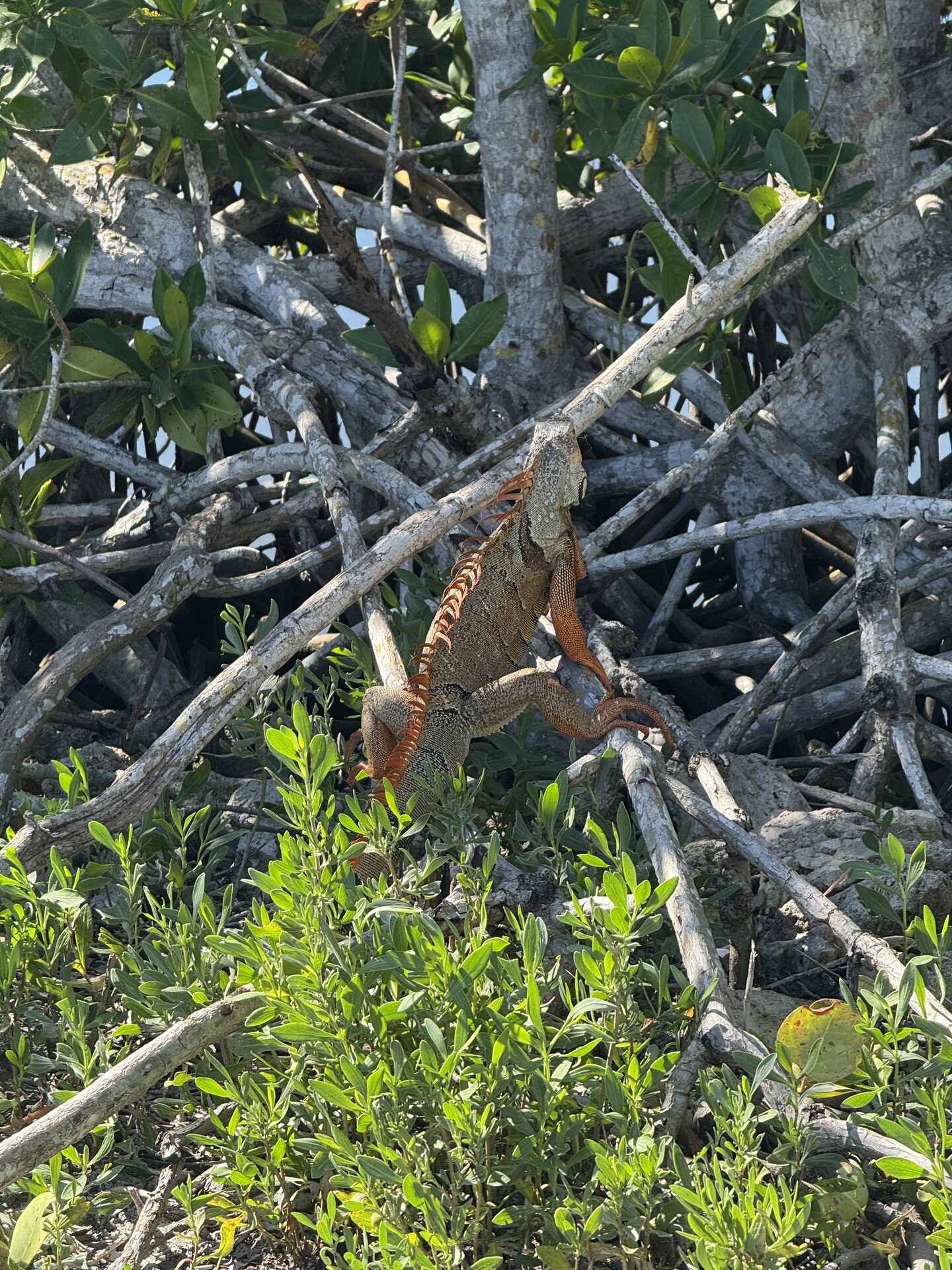
You had iguanas removed from your property. A few weeks later, they are back. Sound familiar? This is the most common complaint we hear from Southwest Florida homeowners. One-time removal feels like progress, but without addressing the root causes, the iguanas return every time.
Iguanas Are Territorial
Green iguanas establish territory and return to it repeatedly. An iguana that has been living on your property has claimed it as home. It knows where the food is, where the basking spots are, and where the burrows are. Even after removal, the scent trails and burrow structures remain, signaling to new iguanas that this is a good place to live.
Why One-Time Removal Fails
Removing iguanas once does not solve the problem because it does not address any of the underlying causes:
- Burrows remain: If iguana burrows are not excavated and backfilled, new iguanas will find and reopen them. A burrow that goes 6 feet deep and 80 feet long is a ready-made home for any iguana that finds it.
- New iguanas move in: Southwest Florida has a large, mobile iguana population. Remove three iguanas from your property, and three more will arrive from neighboring yards, canals, and golf courses within weeks.
- Food sources are unchanged: If your landscaping still includes hibiscus, orchids, and fruit trees, iguanas will keep coming for the food. No removal method can overcome an unlimited food supply.
- Nesting sites are not destroyed: During nesting season (April through October), females dig burrows to lay 30 to 70 eggs per clutch. If nesting burrows are not found and destroyed, the next generation of iguanas hatches right on your property.
What Actually Works
Permanent iguana control requires a multi-step approach that addresses removal, habitat, and prevention simultaneously:
1. Professional Removal
FWC-permitted capture and removal using humane methods. This clears the current population, but it is only step one.
2. Burrow Excavation and Backfill
Every burrow must be fully excavated, not just entrance-filled. The tunnel extends 6 feet deep and 80 feet long underground. Filling only the entrance leaves the void intact. Proper backfilling with compacted soil destroys the burrow structure permanently.
3. Nesting Season Sweeps
From April through October, weekly sweeps target breeding females before they can lay eggs. Breaking the reproductive cycle is critical. Every clutch that hatches produces 30 to 70 new iguanas that will disperse to nearby properties.
4. Habitat Modification
Remove food sources by replacing iguana-favorite plants with resistant alternatives. Trim shrubs and trees to eliminate basking spots and roof access. Fill any new burrow entrances immediately.
5. Ongoing Suppression with Hot Spot Mapping
Weekly or biweekly visits monitor for new activity. Monthly hot spot mapping shows exactly where iguanas are concentrated so removal efforts target the right areas. This is the difference between a property that stays clear and one that keeps getting reinfested.
The Bottom Line
Iguanas keep coming back because one-time removal does not address burrows, food sources, nesting sites, or the surrounding population. The only approach that works is professional removal combined with burrow remediation, nesting sweeps, habitat modification, and ongoing suppression.
Rocky's handles all of this with FWC-permitted methods across Naples, Fort Myers, Cape Coral, Bonita Springs, Estero, Port Royal, Sanibel, and Captiva. Free property inspections. Call (239) 922-5992 or visit iguanaswfl.com.