
Florida HOAs face a growing challenge from invasive species, especially green iguanas and cane toads. These animals damage community infrastructure, threaten resident safety, and create liability concerns for boards and property managers. Understanding your responsibilities under Florida law is the first step toward effective, compliant management.
Why HOAs Need to Take Invasive Species Seriously
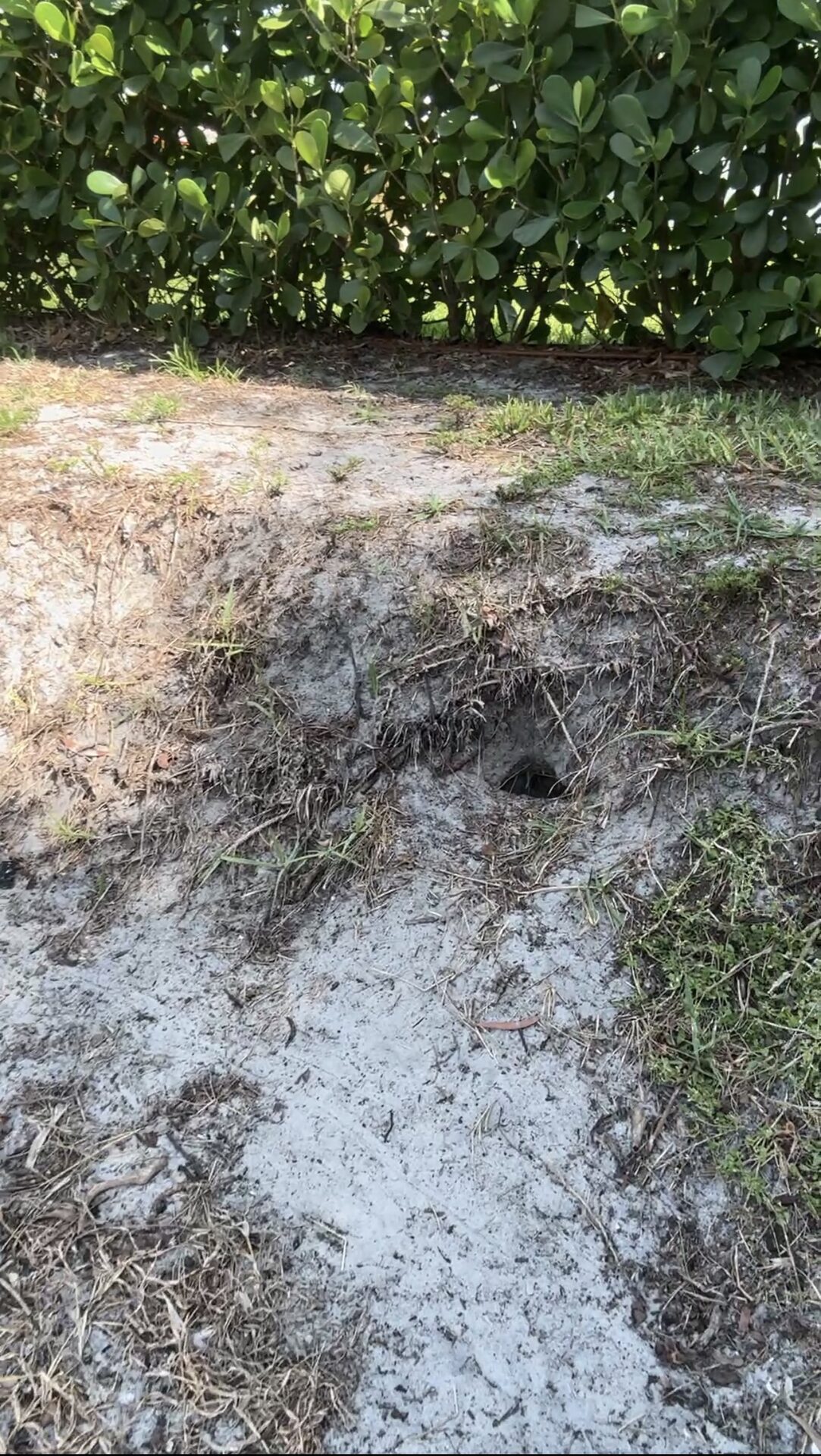
Invasive iguanas and cane toads are not just a nuisance for individual homeowners. They affect entire communities. Iguanas burrow under shared seawalls, common area sidewalks, and community infrastructure. Cane toads breed in retention ponds and common areas, threatening pets throughout the community. The cost of inaction falls on everyone through special assessments and rising maintenance costs.
HOA boards have a fiduciary responsibility to protect community assets and maintain property values. Ignoring an invasive species problem is not a viable option. The damage compounds over time, and the longer the problem goes unaddressed, the more expensive the eventual repair becomes.
Florida Law and FWC Regulations
Green iguanas and cane toads are both classified as invasive species by the Florida Fish and Wildlife Conservation Commission (FWC). Under Florida law, property owners and their agents are permitted to remove these species following FWC regulations. The FWC provides specific guidelines on acceptable removal methods, humane treatment standards, and disposal requirements.
For HOAs, this means that the association can authorize the removal of invasive species from common areas and, in many cases, from individual lots where the infestation affects shared infrastructure. The key is to work with an FWC-permitted (Conditional/Prohibited/Nonnative Species Permit) professional who understands the regulations and follows them correctly.
Attempting removal without proper knowledge of FWC regulations can create legal exposure. Using methods that are not compliant with state law, or failing to document the removal process, can lead to complaints, fines, and liability issues for the association.
What HOA Boards and Property Managers Should Do
1. Conduct a Community-Wide Assessment
The first step is to understand the scope of the problem. A professional property assessment identifies iguana burrows, cane toad habitats, and areas of structural damage. This assessment should cover common areas, seawalls, retention ponds, and any shared infrastructure that may be affected. Individual lot inspections may also be warranted if burrows extend from common areas onto private property.
2. Develop a Management Plan
Based on the assessment, develop a written management plan that outlines the scope of removal, the timeline, the methods to be used, and the prevention measures to be implemented. The plan should be reviewed and approved by the board and shared with residents so they understand what is happening and why.
3. Hire an FWC-Registered Professional
Removal should be performed by an FWC-permitted (Conditional/Prohibited/Nonnative Species Permit), licensed, and insured professional. This ensures that the work is done legally, humanely, and effectively. It also provides the documentation that the HOA needs to demonstrate compliance. Ask for proof of FWC registration, insurance, and references before hiring any contractor.
4. Document Everything
Documentation is critical for HOA compliance. Keep records of the assessment, the management plan, the removal activities, and any prevention measures implemented. This documentation serves several purposes: it demonstrates that the board is acting responsibly, it provides a record for future boards and property managers, and it can be used to show insurance providers and regulatory agencies that the community is managing the problem proactively.
Professional invasive species management companies provide monthly reports that include hot spot mapping, removal counts, and site condition notes. These reports are valuable for board meetings, annual reports, and long-term planning.
5. Implement Prevention and Ongoing Monitoring
One-time removal is rarely sufficient. Iguanas and cane toads are mobile, and if the conditions that attracted them remain, new animals will move in. An ongoing program that includes regular site visits, burrow checks, and monitoring is the most effective approach for communities. This is especially important for waterfront communities where iguana populations can move freely along canals and waterways.
Why Professional Management Matters for HOAs
HOAs that try to handle invasive species problems internally or with a general pest control company often end up spending more money for worse results. General pest control companies typically do not have the specialized knowledge, equipment, or FWC registration needed for iguana and cane toad management. The result is incomplete removal, recurring problems, and escalating damage.
A professional wildlife management company that specializes in invasive species brings several advantages:
- FWC compliance: All removal methods follow state regulations, eliminating legal exposure for the HOA.
- Specialized expertise: Understanding of iguana and cane toad behavior, habitat, and effective removal techniques.
- Documentation: Monthly reports and records that meet HOA reporting and compliance requirements.
- Prevention focus: Not just removal, but ongoing prevention to keep the community clear long-term.
- Insurance coverage: Licensed and insured contractors protect the association from liability.
Take Action Before the Problem Gets Worse
Invasive species problems do not resolve themselves. They get worse. An iguana burrow that is a minor concern today can be a collapsed seawall next year. A few cane toads in the retention pond can become a deadly threat to every pet in the community within a single breeding season.
If your HOA is dealing with invasive iguanas or cane toads, contact Rocky's Cane Toad and Iguana Management. We provide free community assessments, FWC-permitted removal, HOA-compliant documentation, and ongoing prevention programs. We serve communities throughout Southwest Florida, including Naples, Fort Myers, Port Royal, Sanibel, Captiva, Bonita Springs, and Estero. Call (239) 922-5992 or request a community assessment online.